
Waukee City Directory Holdings
No official source inspected listed a Waukee-only city directory series. The best cataloged directory bridge is the Des Moines Public Library's regional collection, followed by Waukee library databases and State Historical Society of Iowa county records. A regional volume is a lead, not proof that it contains Waukee. Verify the city label, printed page, year, and publisher before citing a person.
| Collection | Years covered | Where held | Access |
|---|---|---|---|
| Regional Polk directories | 1866-1922 | Des Moines Public Library | Digitized; verify each Waukee entry |
| Regional directory film | 1866-1935 | Des Moines Public Library | Microfilm |
| Print city directories | 1910-present | Central Library, Des Moines | In-person shelf |
| Regional phone books | 1957-present | Des Moines Public Library | Confirm Waukee coverage by volume |
| Dallas County newspapers | From 1866 | Waukee Public Library | Library-mediated digital access |
| Dallas County records | Mid-1800s onward; varies | State Historical Society of Iowa | Research center, film, loan, or request |
Mills & Co. produced listed 1866 and 1869 volumes. J.P. Bushnell appears in selected years during the 1870s and 1880s. R.L. Polk appears in selected 1890s volumes and most listed years from 1900 through 1922. Gaps are not proof that Waukee has no directory evidence for a year.
Test Regional Waukee Directory Leads
The Des Moines historic city directories describe alphabetical private and business listings, a street and avenue guide, and sections for civic offices, courts, churches, schools, banks, railroads, institutions, and societies. That range can connect a Waukee name to a business, rail line, club, or address, but the catalog does not promise suburban coverage in every year.
The captured collection page is shown below. Its year-and-format inventory is the key starting point for choosing a volume rather than browsing at random.
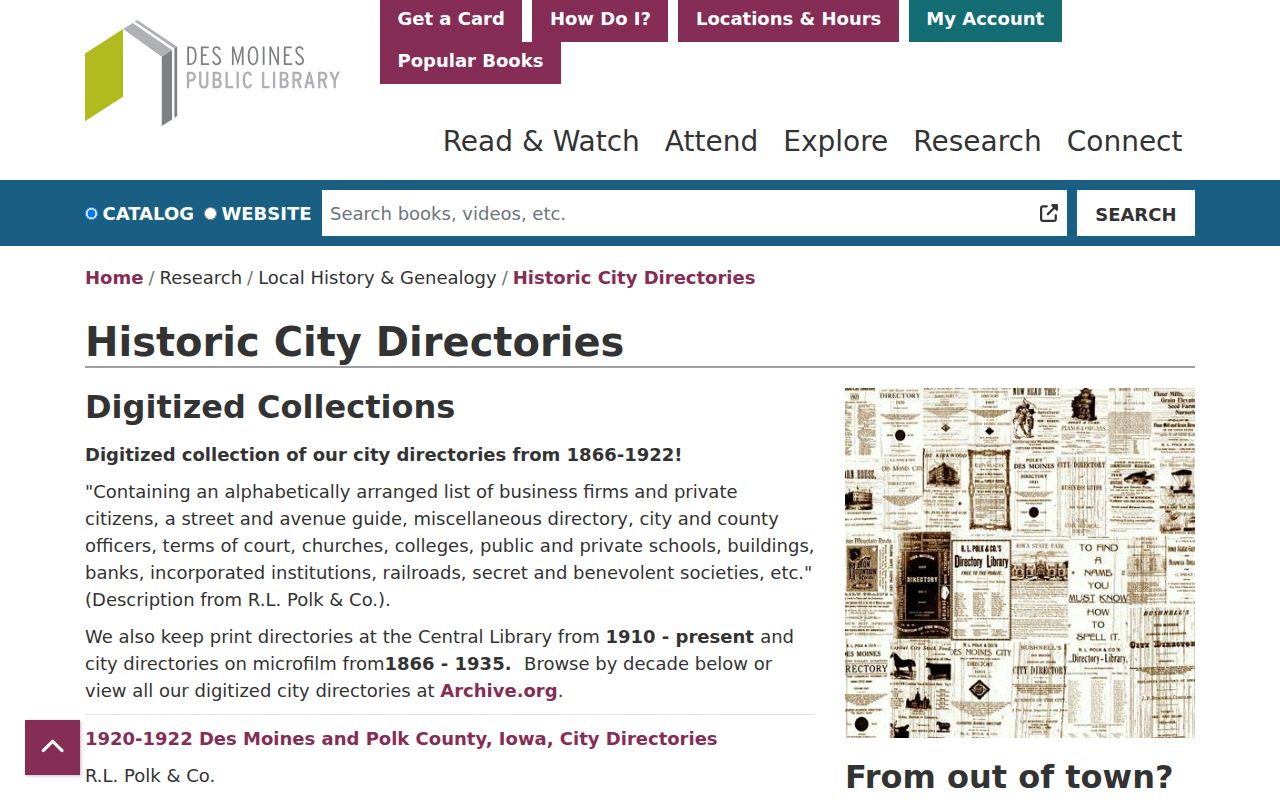
Search the surname first, preserve initials, and inspect the street guide if the volume has one. A 1920 catalog item identifies alphabetical and street-guide functions, but no readable Waukee entry was captured. Do not invent a sample from the catalog description.
Decode a Waukee Directory Entry
A directory line is compact and specific to its volume. Photograph or save the title page and abbreviation key before transcribing the entry. Record only what is printed. Spouse, occupation, business site, residence, owner marks, and widow notation may appear, but not every publisher uses the same shorthand.
| Printed name | Preserve spelling, initials, and order as the name-variant baseline. |
|---|---|
| Household notation | Capture a spouse or relationship only if the volume prints it. |
| Occupation or firm | Distinguishes same names; a business site is not a home address. |
| Street and city label | Connects the line to its era and confirms whether Waukee is named. |
| Owner or widow mark | Read it from that volume's key instead of guessing. |
| Page, volume, year | Makes the finding reproducible and keeps the date clear. |
- Criss-cross directory
- A section arranged by street and house number, useful when the address is known first.
- Householder index
- An address list of household heads or subscribers, not everyone in a dwelling.
- Abbreviation key
- The volume's legend for short forms, symbols, occupations, and household notes.
Historical occupations can separate two people with the same name. An entry that vanishes in the next volume may reflect a move, death, omission, changed name, or coverage gap. It does not supply the reason by itself.
Waukee Library Preserves Local Memory
Waukee Public Library online research links HeritageQuest, Dallas County Newspapers beginning in 1866, Perry historical newspapers beginning in 1874, and Iowa Heritage Digital Collections. These sources test names, obituaries, groups, businesses, and address clues when a Waukee city directory year is missing. Access may require a library account or staff help.
The library is at 950 S Warrior Lane, phone 515-978-7944. Captured hours are 9:00 a.m. to 8:00 p.m. Monday and Tuesday; 9:00 a.m. to 6:00 p.m. Wednesday and Thursday; 9:00 a.m. to 5:30 p.m. Friday; and 9:00 a.m. to 4:00 p.m. Saturday. It is closed Sunday.
The research page below is a sound first stop before arranging archive travel.

Service lists change. July 2025 board minutes said Ancestry and Newspaper Archives were not continuing, so confirm the live page before relying on a database.
The Waukee Shelf Has a Gap
Waukee's library history explains why holdings may not form a smooth run. A library association existed in 1878, and the present institution traces its formal start to 1929. In 1941, a fire in the Leonard Building destroyed all the books. The library reopened in 1942, later occupied City Hall and the 6th Street Christian Church, and moved to Warrior Lane in 2003.
A missing pre-1941 item should prompt a wider search, not an assumption that it never existed. Ask SHSI, the Waukee Area Historical Society, regional libraries, and newspaper repositories. The Waukee library history below supplies the dates behind that warning.
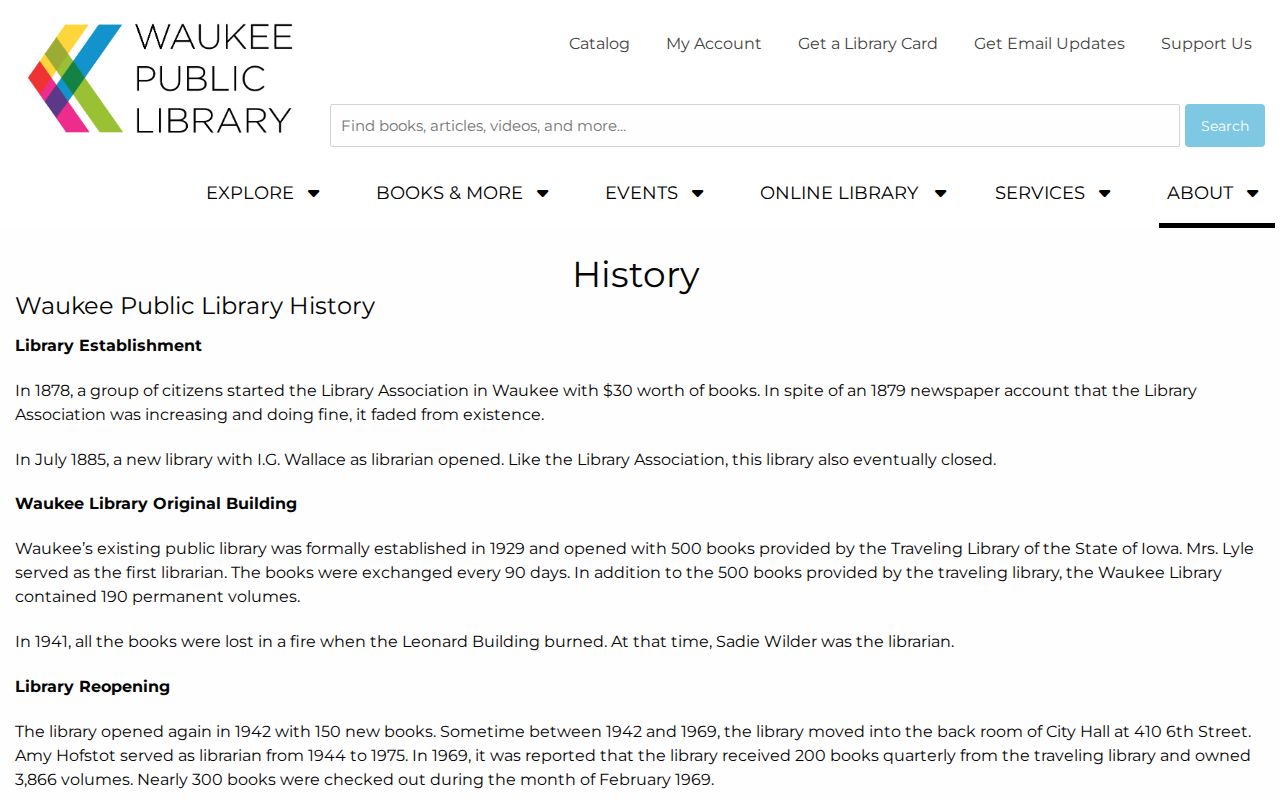
Local memory survived through rebuilt collections, later buildings, museum projects, photos, and oral histories.
Extend Waukee Names Into County Books
The SHSI Dallas County collection connects directory names to records. Its Recorder inventory includes land records from 1849, town-lot records from 1855, mortgage and deed indexes, homestead books, cemetery deeds, and vital indexes. Probate holdings include wills, heirs, estates, bonds, and a general index extending to 1978. Naturalization, court, and school series add dated links.
The inventory below lists series and year spans, not one searchable roster of Waukee residents.
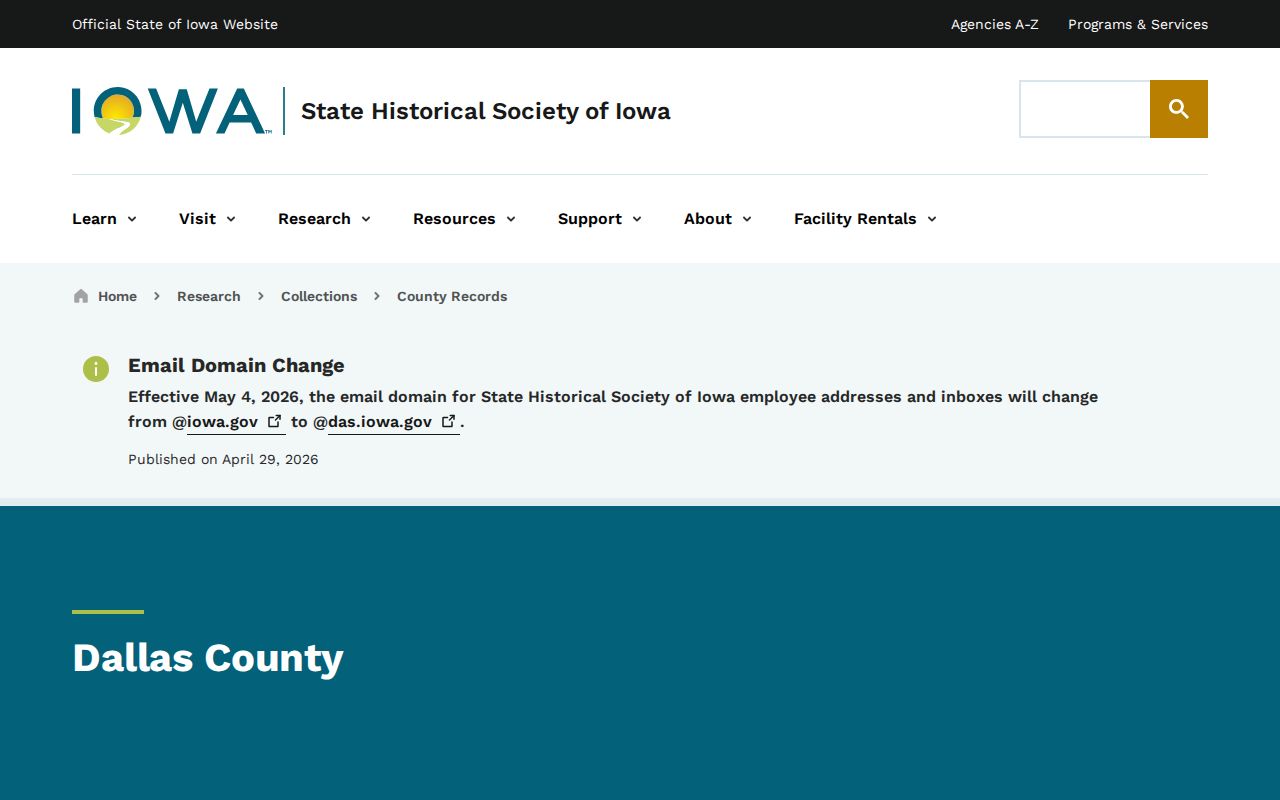
Use the directory as a clue. A lot may lead to a deed; a death notation may lead to probate or newspapers; a birthplace clue may lead to naturalization.
Access Waukee History Four Ways
Start online with library databases, digitized regional directories, and the SHSI catalog. If an image is not online, Waukee Public Library can identify holdings or request eligible microfilm. SHSI interlibrary loan covers newspapers, census, maps, and Civil War lists through a local library; the captured transaction fee was $6.
- Visit Waukee Public Library for local help, databases, museum material, and loan support.
- Visit the SHSI Research Center at 600 E Locust Street in Des Moines during posted hours.
- Contact SHSI five days ahead for archival material during its temporary 2026 relocation.
- Use SHSI reference requests for paid research or certification within stated limits.
General research needs no appointment, though one is strongly advised for archives. Initial reference response is within five business days, but a full request may take weeks. SHSI can certify some state census, naturalization, and county microfilm findings, but not federal census, newspaper, or private records.
Note: Confirm current hours, fees, and database access before travel because archive arrangements can change.
Waukee Mining Names Need Context
Coal history adds a local name-and-place layer. Harris Mine opened in 1920, Shuler followed in 1921, and the camp included Italian, Croatian, and Swedish families plus a school, churches, shops, and gathering places. The Shuler shaft reached 387 feet, and the mine closed in 1949.
The Coal Mine Museum and library collections include digitized photographs and oral histories from mining descendants. The historical society centers agriculture, mining, and railroad stories, though no full online name index was found. Camp names, nearby Hickman, and Alice's Road may work better than a modern street in newspaper searches.
The museum page below documents the collections and Hiram Ori gift.

Oral history can explain a place or surname, but check it against dated records before making a resident claim.
The Waukee Area Historical Society adds exhibits, artifacts, events, and stories rooted in agriculture, mining, and railroads.
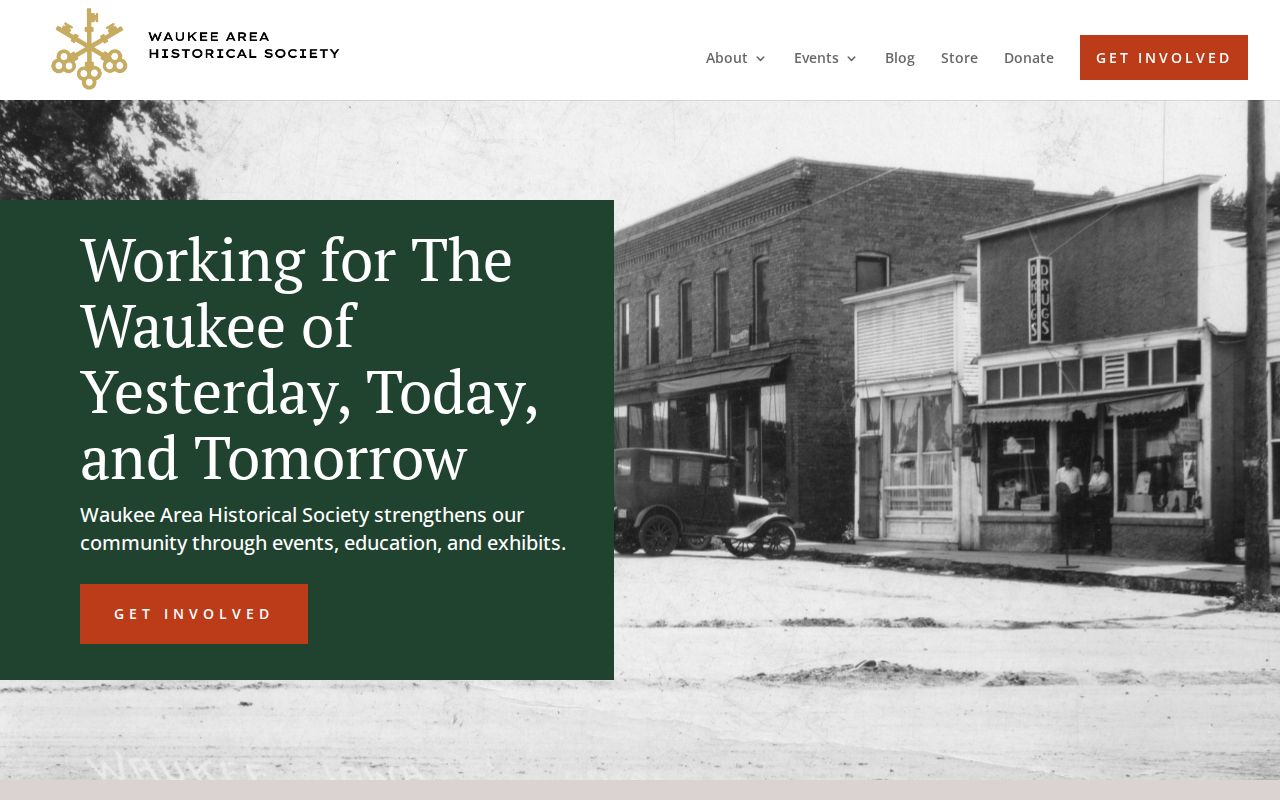
Its public site does not provide a complete name index or shelf finding aid, so contact the society with a surname, place, and date range.
The railroad story offers a second search key. Waukee was laid out beside the line in 1869 after the proposed name Shirley was rejected, and the city incorporated in 1878. Historic items may organize people around the railroad, the Triangle, a mine camp, or a nearby institution instead of a current subdivision. Try those place terms beside a surname in newspaper and archive catalogs.
Trace Family Through Waukee Directories
Pairing a city directory with the nearest census year helps test whether a name and address form a stable household clue or a brief appearance. Iowa state census enumerations began in 1850 and ended in 1925; federal schedules follow the national 72-year release rule. Newspapers, probate, deeds, and naturalization fill the years between snapshots.
- Find the surname and variants in one verified volume. Save the title, year, page, city label, and key.
- Check nearby volumes in both directions. Note changes only when printed.
- Use the street guide or phone books to test the address, then compare a dated map.
- Pair the directory year with the nearest open census and Dallas County newspaper search.
- Confirm the person through a deed, probate, naturalization, school, vital, cemetery, or obituary record.
Disappearance from a Waukee city directory does not itself mean death or relocation. Search former and married names, middle initials, alternate spellings, and local place terms. For a current property question, shift to the Waukee street records workflow, which keeps parcel data separate from historical evidence.
A census can show a household snapshot, while a directory may show a person between census years. Newspapers can date a wedding, club notice, business move, or obituary. Deeds and probate can then test a property or estate link. None is a perfect substitute for another. The strongest Waukee family history keeps each source's date, purpose, and access limit visible.
Date control. A directory entry proves what one publisher printed for one year. It does not establish current residence.